
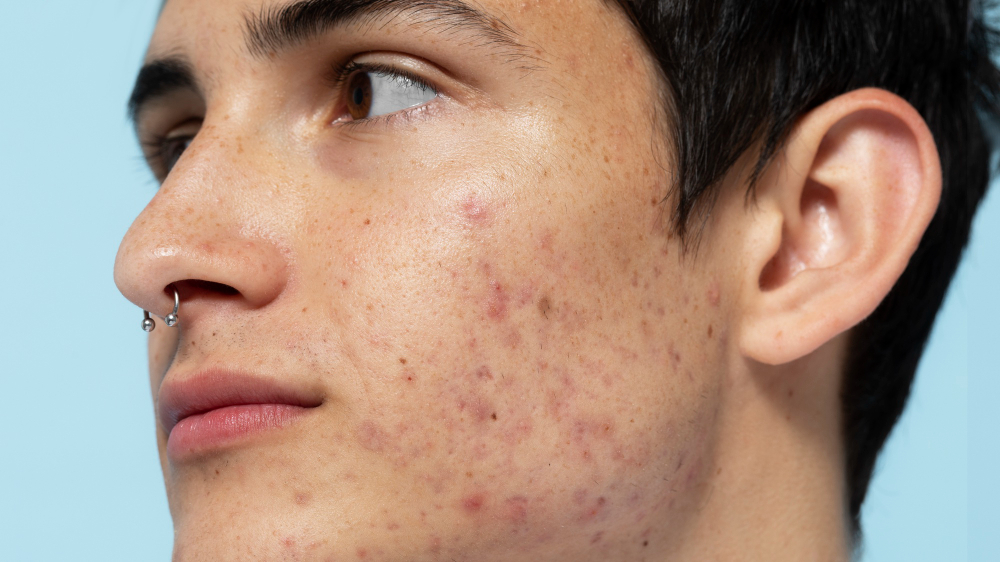
Understanding Acne Scars
Acne scar removal is a common goal for many people. Acne scars are marks left behind after pimples heal. Often, these scars can make skin look uneven. There are different types of acne scars. For example, some are deep pits, while others are raised bumps. The main types include:
Because each type looks different, treatment options may vary. However, all acne scars can affect confidence and self-esteem.
Causes of Acne Scars
Acne scars form when the skin tries to heal after a pimple. Sometimes, the skin makes too much or too little tissue. As a result, scars appear. Picking or squeezing pimples can make scars worse. In addition, severe or long-lasting acne increases the risk of scarring. Genetics also play a role. If your parents have acne scars, you may be more likely to get them too.
Diagnosis and Assessment by Professionals
First, a dermatologist will look at your skin. They will check the type and depth of your scars. Sometimes, they may use a special light or magnifier. This helps them choose the best treatment for you. In some cases, they may ask about your medical history. A proper assessment is important for safe and effective acne scar removal.
Evidence-Based Acne Scar Removal Treatments
There are many safe acne scar solutions. Some work better for certain types of scars. Here are the most common and effective treatments:
Each treatment has its own benefits. However, not every option is right for everyone. A dermatologist can help you choose the best treatment for acne scars.
Expected Results and Timelines
Results from acne scar removal take time. For example, laser therapy or microneedling may need several sessions. Some people see changes after a few weeks. Others may need months for full results. Topical treatments often take longer, but they are gentle. While most scars improve, some may not go away completely. Still, most people notice smoother, clearer skin with the right care.
Prevention Tips for Acne Scars
Preventing scars is easier than treating them. Here are some tips to help:
Because prevention is key, start good habits as soon as possible.
Lifestyle Guidance for Healthy Skin
Healthy habits can support clear skin. For instance, wash your face twice a day with mild soap. Eat a balanced diet with fruits and vegetables. Drink plenty of water. Also, avoid touching your face with dirty hands. If you wear makeup, remove it before bed. These steps help your skin heal and stay healthy.
Risks and Considerations
Every treatment has risks. For example, laser therapy can cause redness or swelling. Chemical peels may make skin sensitive for a few days. Some people may get infections or changes in skin color. Because of these risks, always choose a trained professional. Ask about side effects before starting any treatment.
When to Consult a Dermatologist
If acne scars bother you, see a dermatologist. They can suggest safe acne scar removal options. In addition, they can check for other skin problems. Early treatment often leads to better results. If you live in a city, search for acne scar removal clinics near you. Many clinics offer free consultations.
Conclusion
Acne scar removal can help you feel more confident. With the right treatment, most scars can fade. However, results take time and care. For the best advice, consult a dermatologist for personalized acne scar removal guidance.