
Introduction
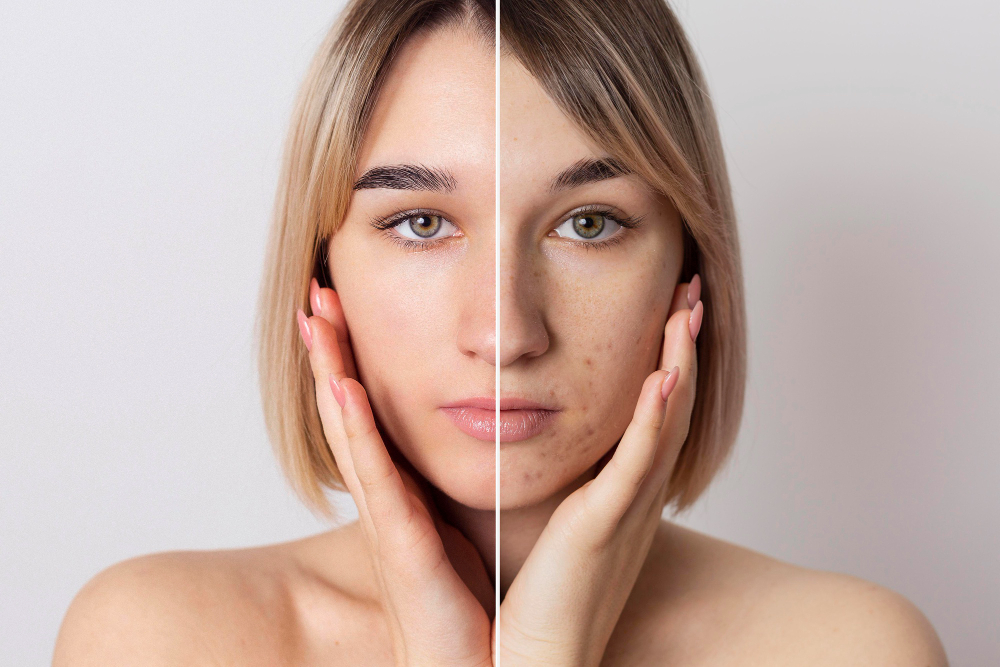
Skin pigmentation is the color of your skin. It comes from a natural pigment called melanin. Melanin protects your skin from the sun’s harmful rays. However, sometimes skin pigmentation changes. These changes can affect your appearance and confidence. For many people, understanding skin pigmentation is important for healthy skin. In this blog, we will explore the causes of skin pigmentation, common symptoms, diagnosis, and treatment options. We will also share tips on how to prevent skin pigmentation problems.
Common Symptoms of Skin Pigmentation Disorders
Skin pigmentation disorders can show up in different ways. Sometimes, you may notice small spots. Other times, larger patches appear. These changes can be lighter or darker than your normal skin color. For example, you might see:
In many cases, these symptoms do not cause pain. But, they can affect how you feel about your skin. If you notice new or changing spots, it is wise to pay attention. Sometimes, these changes may signal a health problem.
Causes and Risk Factors
There are many causes of skin pigmentation changes. Some are harmless, while others need medical care. Common causes include:
Additionally, people with darker skin tones may notice pigmentation changes more easily. Age, stress, and poor skin care can also increase your risk.
Diagnosis Methods
Doctors use several methods to diagnose skin pigmentation problems. First, they will ask about your medical history. Next, they will examine your skin closely. Sometimes, they use a special light called a Wood’s lamp. This helps them see changes in skin color. In some cases, your doctor may take a small skin sample (biopsy) for testing. Blood tests may also be needed if a medical condition is suspected. Early diagnosis helps find the best treatment for skin pigmentation.
Treatment Options
Medical Treatments
There are many treatment options for skin pigmentation. Your doctor will choose the best one for you. Common treatments include:
Sometimes, you may need a combination of treatments. It is important to follow your doctor’s advice for the best results.
Lifestyle and Home Care
Along with medical treatments, lifestyle changes can help. For example:
These steps can support healthy skin and prevent further pigmentation changes.
Prevention Tips
Preventing skin pigmentation is possible with simple steps. Here are some tips:
By following these tips, you can lower your risk of skin pigmentation problems.
When to See a Specialist
Sometimes, skin pigmentation changes need expert care. You should see a dermatologist if:
Early care can help prevent serious problems and improve your skin health.
In summary, skin pigmentation is a common concern. Many causes and treatments exist. However, it is important to protect your skin and seek help when needed. Consult a dermatologist for personalized advice on skin pigmentation concerns.